
When a diesel truck has hard starts, rough runs, smoke, or power loss, check the fuel system first. Distinguishing between an injector and a fuel pump as the cause of these symptoms is vital, as they can look similar but have different causes. Injectors deliver diesel, while pumps pressurize fuel. Modern systems include injectors, pumps, filters, lines, sensors, and electronics. Common rail systems use high-pressure pumps, fuel rails, and electronic injectors. For drivers in Jackson Hole, Star Valley, Alpine, and nearby areas in Wyoming, fuel issues can affect towing, cold starts, mountain driving, and daily tasks. Knowing the difference helps prevent breakdowns.
How The Diesel Fuel System Works
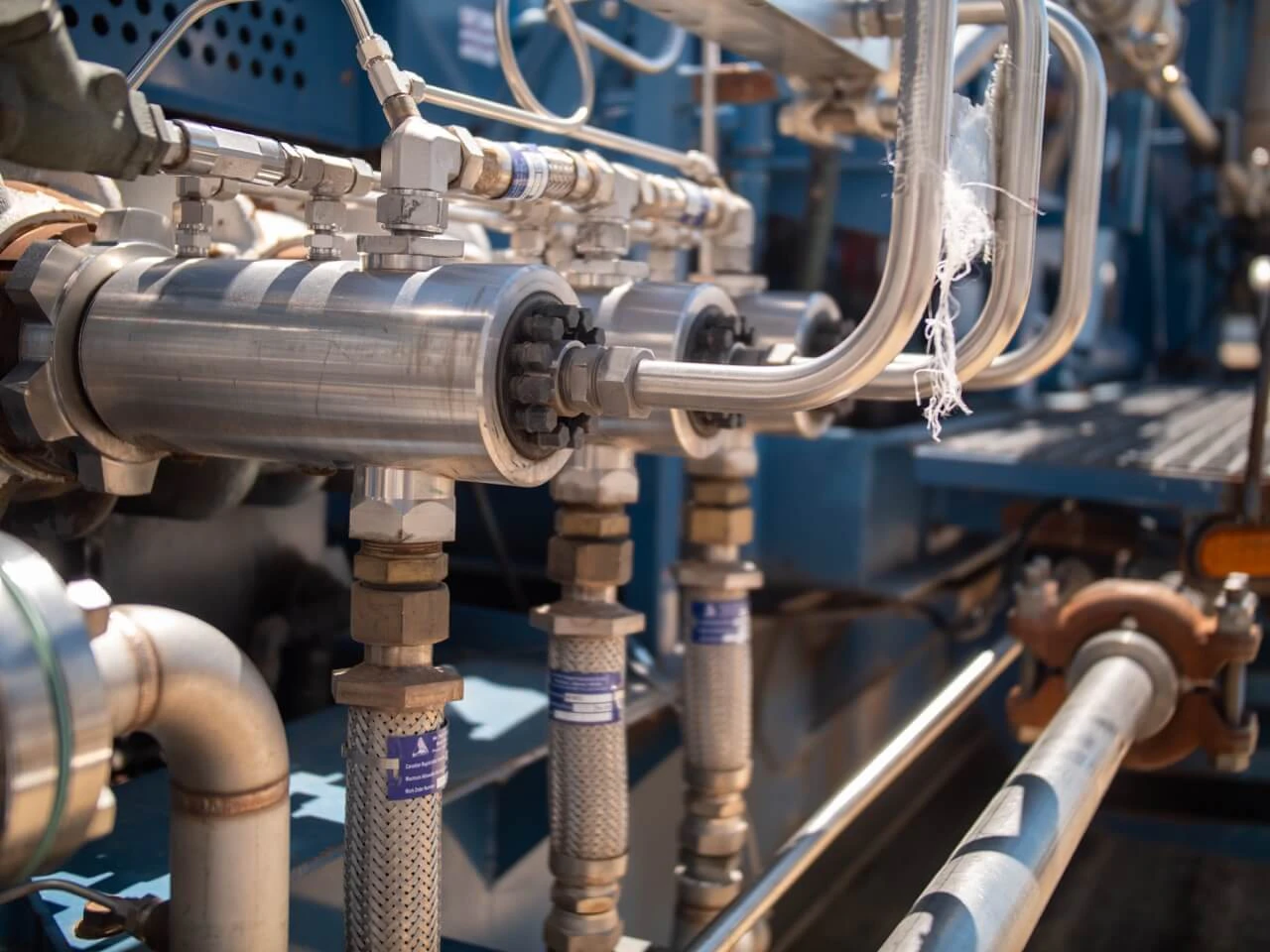
A diesel engine uses controlled fuel delivery: the pump supplies fuel, the rail stores pressurized fuel, and the injectors deliver it to the cylinders. The high-pressure rail is a vital hydraulic component that connects the pump and injectors, stores compressed fuel, and delivers it to the injectors. The high-pressure pump creates the required injection pressure.
Once fuel reaches the injectors, the engine control system determines the timing and amount of fuel delivery. This process supports combustion efficiency, engine response, fuel economy, and emissions performance when all components are functioning properly.
What Diesel Injectors Do
Fuel injectors are precision components. They do not simply pour fuel into the engine. Instead, they atomize fuel into a fine spray so it can mix with compressed air and burn efficiently. When a diesel injector fails, the injector may:
- Clog due to contamination
- Leak fuel into the cylinder
- Stick open or closed
- Produce a poor spray pattern
- Deliver too much or too little fuel
- Fail electronically or mechanically
Injector problems often affect one or more specific cylinders, which is why symptoms may feel uneven. The engine may still run, but it may idle poorly, misfire, smoke, or lose fuel efficiency.
Modern injectors have very small internal components, and contamination can cause wear, sticking, malfunctions, and damage to other engine components.
Common Signs Of Diesel Injector Failure
Injector failure usually degrades combustion quality. The engine may receive fuel, but not in the correct amount, pattern, or timing. Common symptoms include:
- Rough idle or engine vibration
- Misfires under load or at idle
- Excessive black, white, or gray exhaust smoke
- Noticeable diesel odor
- Poor fuel economy
- Hard starts after sitting
- Fuel knock or abnormal engine noise
- Check engine light or cylinder contribution codes
Black smoke may indicate excess fuel or poor combustion. White or gray smoke suggests incomplete burning. Rough idle and misfires occur when one cylinder underperforms. Ignoring a leaking injector is risky; it can cause excess smoke, oil dilution, and engine wear. Since injectors have tight tolerances, guessing isn't reliable for repairs.
What The Fuel Pump Does
The fuel pump supplies fuel to the injection system. Depending on the vehicle, this may include a low-pressure lift pump, a high-pressure injection pump, or both. In a common-rail system, the high-pressure pump pressurizes the fuel before delivering it to the rail.
The pump ensures a stable supply and pressure. If it can't deliver enough volume or pressure, injectors won't work properly, even if they're in good shape. Failures like a high-pressure or lift pump can lead to low rail pressure or starvation, and line restrictions or filters may mimic pump failure. Common causes of low fuel pressure in heavy equipment include fuel pump issues, line problems, and pressure regulation.
Common Signs Of Fuel Pump Failure
Fuel pump failure typically affects the entire engine rather than a single cylinder. The truck may feel underpowered overall, especially when the engine needs more fuel. Common symptoms include:
- Crank-no-start condition
- Long crank time before starting
- Sudden stalling
- Low power under load
- Surging or hesitation
- Loss of throttle response
- Low rail pressure codes
- Whining or abnormal pump noise
- The engine shuts down during acceleration or climbing
If a truck struggles most when towing, climbing a grade, or accelerating, the fuel system should be inspected. The engine requires more fuel under load, so a weak pump or a restricted filter may become more apparent when demand increases.
Diesel Injector Failure Vs. Fuel Pump Failure
The simplest way to separate the two problems is to consider scope. Diesel injector failure often causes localized combustion issues. One cylinder may run poorly, overfuel, underfuel, or misfire. The truck may start and drive, but it may smoke, shake, knock, or lose efficiency.
Fuel pump failure often causes system-wide fuel supply problems. The engine may not start, may stall, or may lose power across all cylinders because the injectors are not receiving adequate fuel pressure or volume. A useful comparison is:
- Injector issue: fuel reaches the engine, but it is delivered improperly.
- Pump issue: fuel may not reach the injectors at the required pressure or volume.
- Filter or restriction issue: the pump may be blamed, but the real concern may be restricted fuel flow.
- Contamination issue: both injectors and pumps may be damaged.
Fuel contamination is especially important. Clean, high-quality fuel is essential for diesel engine performance and service life, and high-pressure common rail systems require a higher level of fuel cleanliness than older systems.
Why Contamination Matters
Contaminated fuel can damage both injectors and pumps. Water, dirt, sediment, microbial growth, and low-quality fuel can clog filters, reduce fuel flow, or wear precision components.
Accumulated sediment and water in diesel tanks can clog filters, reduce fuel flow, and even contribute to pump failure. Water and contaminants can affect injectors and fuel filters.
In Wyoming, where trucks may be used for towing, ranch work, snow conditions, construction, and long-distance travel, preventive maintenance is especially important. Fuel filters, water separators, and fuel quality checks help protect the system before symptoms arise.
How Technicians Diagnose The Difference
Accurate diesel engine diagnostics should confirm the cause before any parts are replaced. Injectors and pumps are costly components, and replacing the wrong part can leave the original issue unresolved. A technician may perform:
- Fuel pressure testing
- Fuel volume testing
- Injector balance or contribution testing
- Return flow testing
- Fuel filter inspection
- Fuel quality inspection
- Scan tool review of rail pressure data
- Electrical testing of injectors, sensors, and pump controls
- Visual inspection for leaks, damaged lines, or air intrusion
These tests help determine whether the truck has low fuel pressure, poor injector performance, restricted flow, contaminated fuel, or an electronic control system issue.
When To Schedule Fuel System Repair
Schedule a diesel fuel system repair when symptoms recur or worsen under load. A single hard start may have several causes, but repeated long cranking, smoke, stalling, or rail pressure faults should be addressed promptly. You should also seek service if you notice any of the following:
- Power loss on grades
- New exhaust smoke
- Fuel smell near the engine
- Rough idle after refueling
- Frequent fuel filter restriction
- Warning lights related to rail pressure or misfire
- Sudden shutdown while driving
Ignoring fuel injector problems or pump issues can increase downtime and repair costs. Early testing can often identify whether the issue is a filter, pump, injector, fuel quality concern, or a sensor fault.
Conclusion
Diesel injector failure occurs when the injectors fail to control fuel entry into the cylinders, leading to rough idling, smoke, misfires, and poor economy. Fuel pump failure affects starting, stalling, power, and pressure. Symptoms can overlap due to filters, contamination, or electronics, so professional testing is crucial. For diagnostics and repairs in Jackson Hole, Star Valley, Alpine, and nearby Wyoming areas, contact HWorKS Diesel/Moto.